Your Teeth Are Worth Protecting
The Damage Happens While You're Not Paying Attention
A Custom Guard, Fitted to You
Grinding usually starts quietly. A sore jaw in the morning or teeth that feel sensitive for no obvious reason. By the time you notice something is wrong, the wear has already been happening for months.
Sports injuries are more sudden, but the principle is the same: a single impact to an unprotected mouth is enough to crack or displace a tooth that took years of care to keep healthy.
A custom mouthguard addresses both.
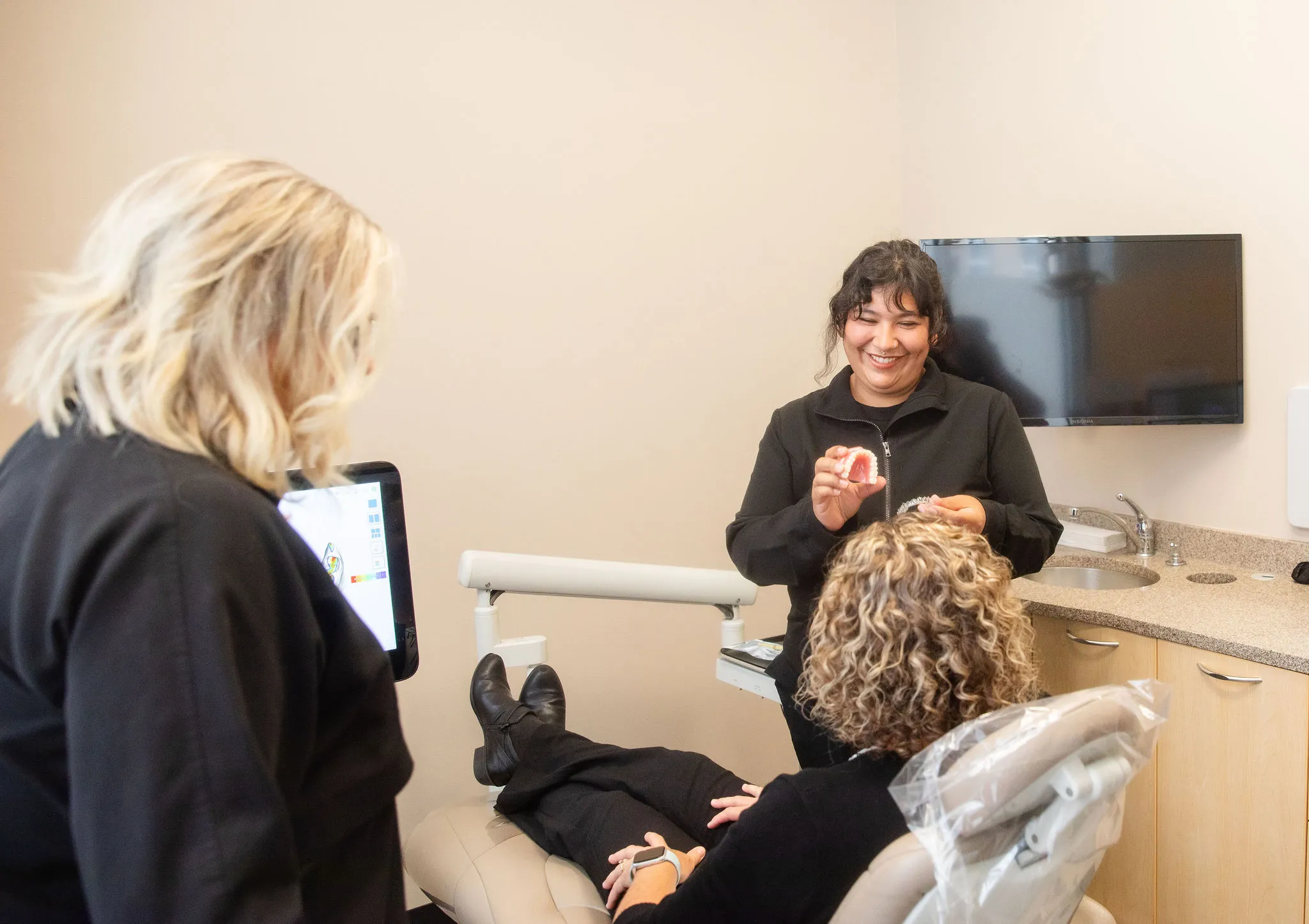
Dr. Herbert provides guards for both nighttime grinders and athletes, made from precise impressions of your teeth so they fit the way a store-bought guard never will.
Two Situations, One Solution
A custom mouthguard addresses both.
The Guard That Works While You Sleep
You wake up with a stiff jaw or a dull ache behind your temples. Your teeth start to show wear. Left unchecked, nighttime grinding wears down enamel unevenly and loads your jaw joints in ways that compound over time.
A nightguard sits between your upper and lower teeth while you sleep, absorbing the force of clenching and grinding before it reaches your teeth and jaw. Dr. Herbert designs them to sit flat and stay in place through the night, with a profile slim enough to adapt to within a few nights.
Protection That Stays Put
That impact from a hard hit or a fall during a game? With an unprotected mouth, it’s enough to crack or displace a tooth that took years of care to keep healthy. A sports guard cushions that force and distributes it across the guard rather than concentrating it on a single tooth.
The fit is what separates a custom guard from a store-bought one. A guard that shifts around mid-game is one you'll pull out and pocket. Dr. Herbert's custom sports guards stay seated so you're not thinking about them while you play.
From Digital Scan to Ready-to-Wear
01
Dr. Herbert Starts With Your Bite
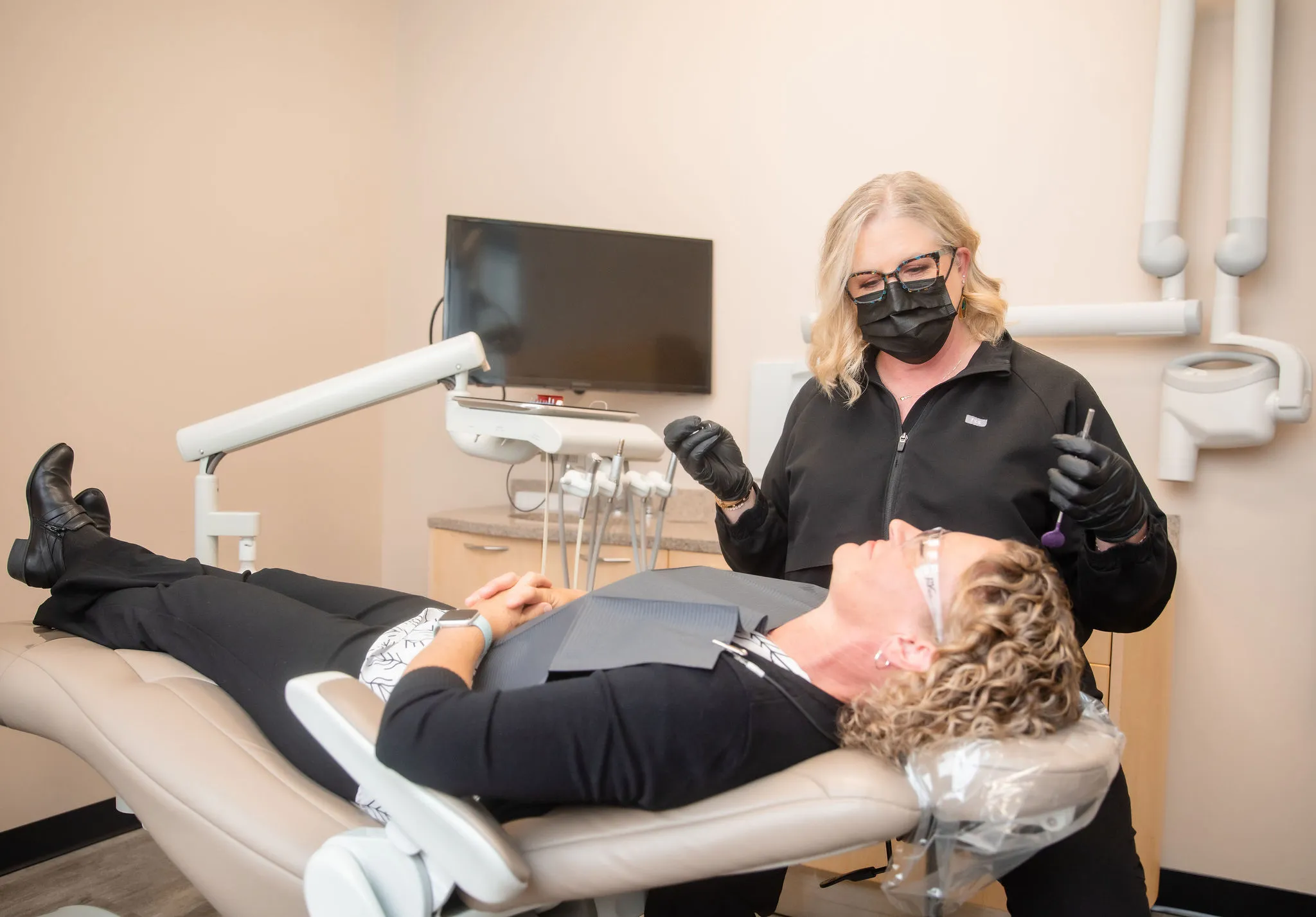
Before the scan begins, Dr. Herbert looks at your bite and checks for existing wear patterns. For grinders, the degree of wear visible on your teeth helps her determine the thickness and coverage your guard needs. For athletes, she'll factor in the sport and the level of contact involved.
02
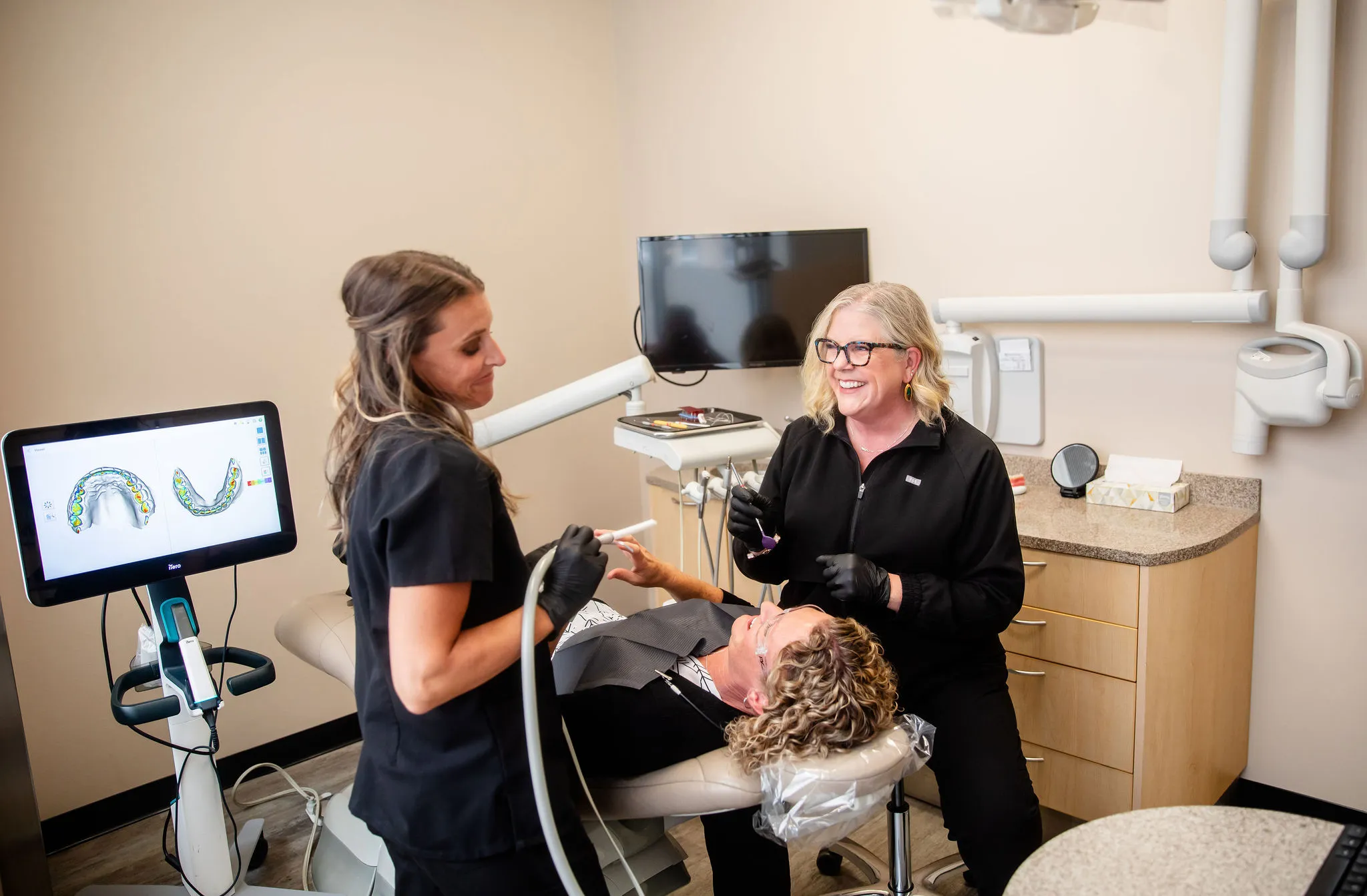
A Scan Instead of a Putty Tray
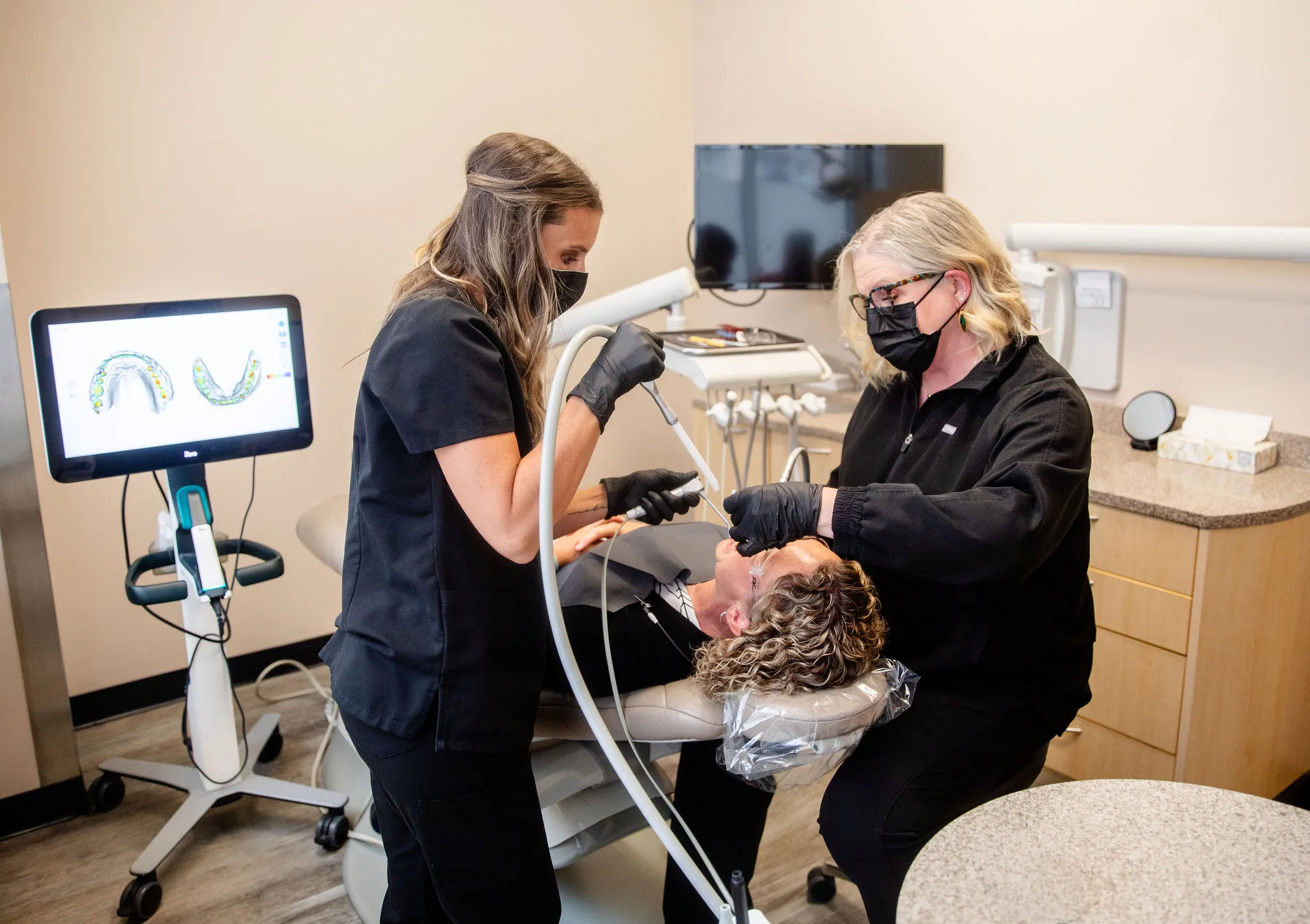
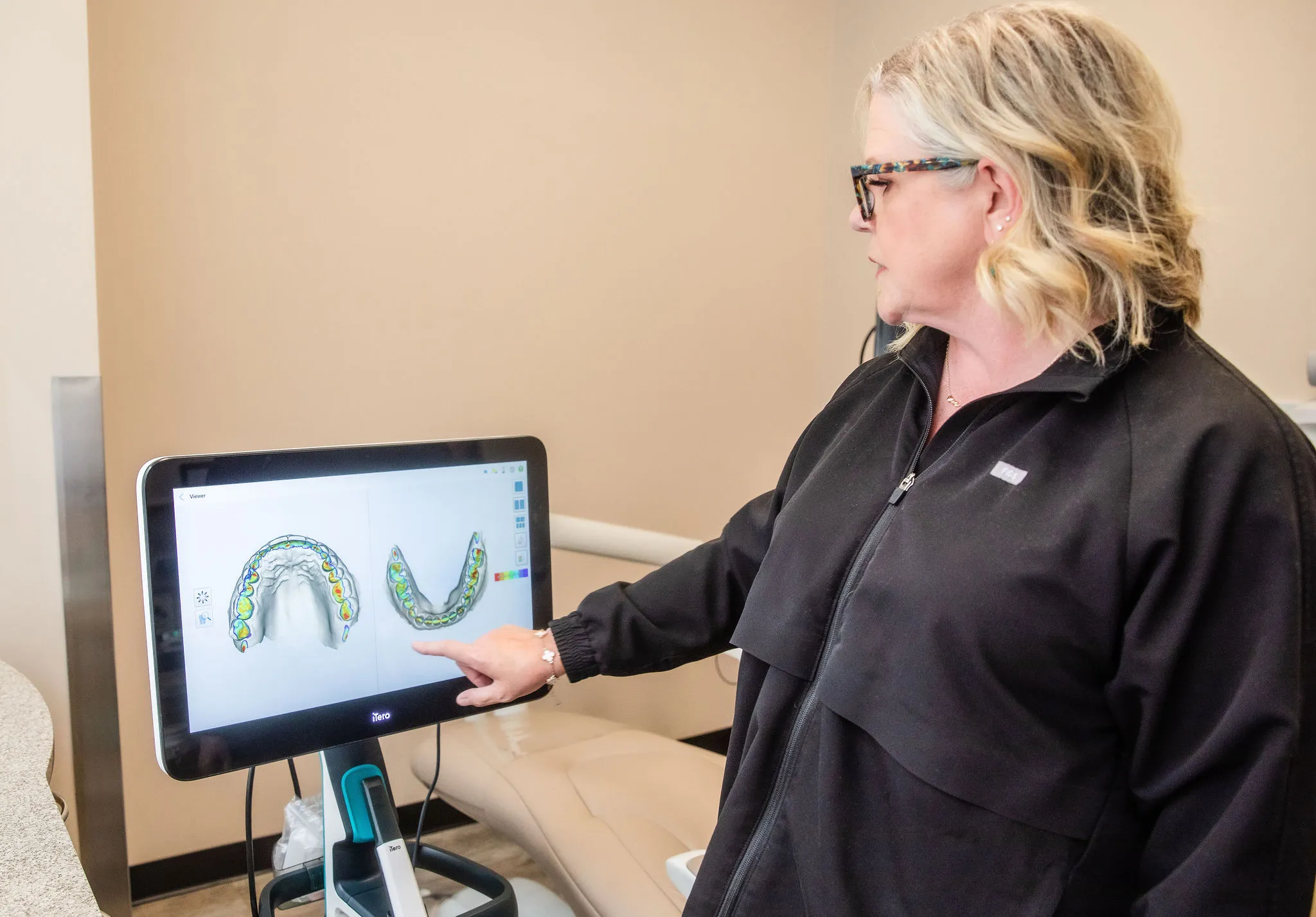
Rather than the traditional putty tray, Dr. Herbert uses the practice's iTero digital scanner to capture precise measurements of your teeth. The scan takes a few minutes, produces a detailed 3D model of your bite, and removes the guesswork from the fitting process. Your guard is then built from that model.
Leaving With a Guard That Fits
When your guard is ready, Dr. Herbert checks the fit in the chair and makes any minor adjustments before you leave. She'll walk you through how to clean it and store it so it lasts. Guards are checked at your regular dental cleanings and exams to make sure they're holding up.
Already in Invisalign? Your Guard Is Built In
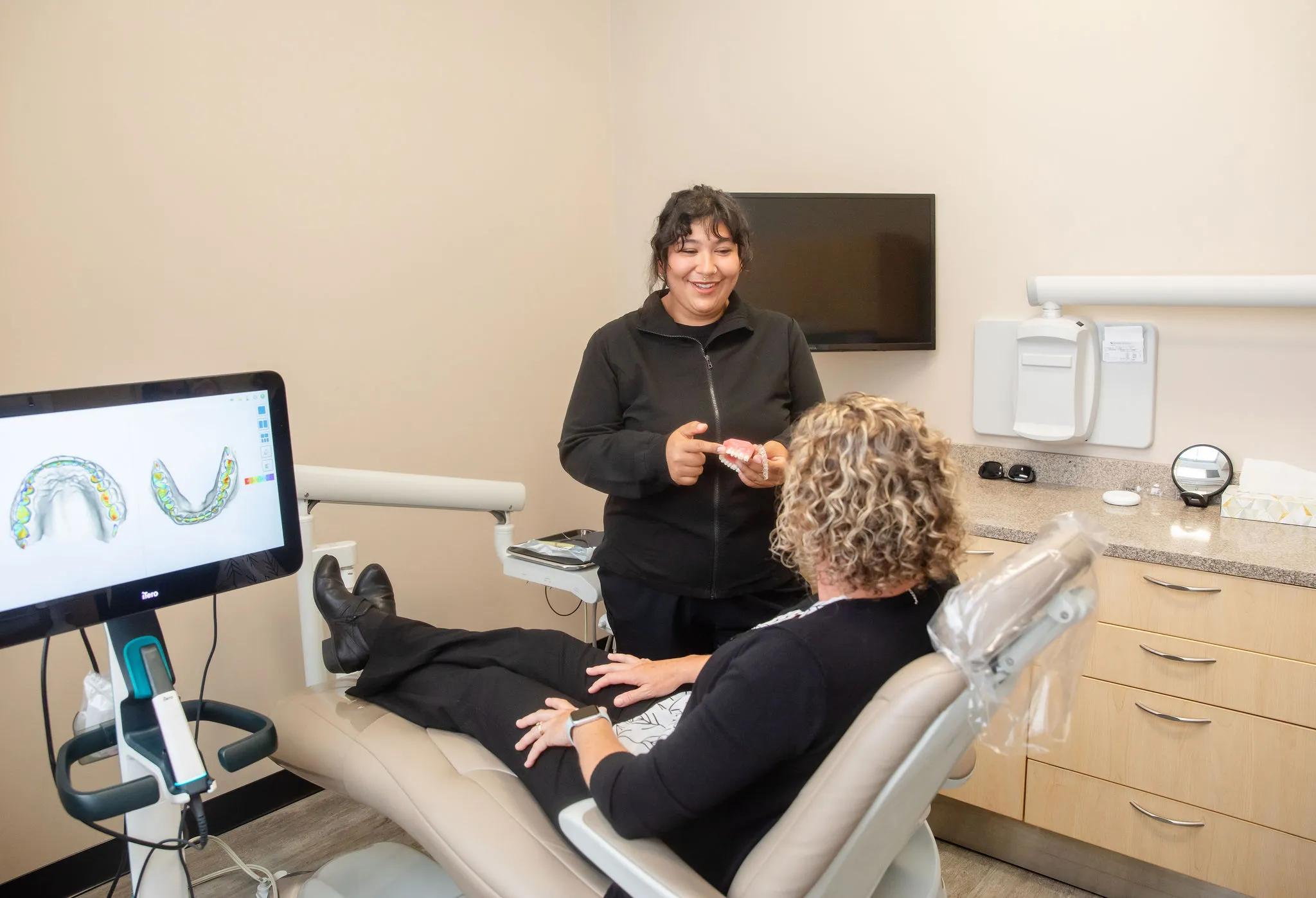
If you're finishing or have completed your Invisalign treatment, Dr. Herbert uses Vivera retainers, made by the same manufacturer as Invisalign aligners. Vivera retainers are durable enough to double as a nightguard for mild grinders, so you're protecting your alignment and your enamel at the same time.